
Uncategorized

How Georgia can fix its housing shortage

Georgia faces a severe housing shortage of over 365,000 homes due to restrictive government regulations that drive up prices and limit supply. The American Enterprise Institute recommends cutting red tape by allowing smaller lots, speeding up permitting, and reforming zoning to enable diverse housing types near job centers. These changes could add 67,200 homes annually,

How Georgia can fix its housing shortage Read More »

US Real Estate Market Valuation to Reach $2.3T by 2033

The US real estate market is projected to reach $2.32 trillion by 2033. CAGR of 3.10% expected from 2025-2033. Remote work ↑ demand for suburban/rural homes; urban markets see slower growth. Millennials drive first-time home demand; Baby Boomers seek downsized, low-maintenance homes. Tech advances like virtual tours make transactions more efficient.

US Real Estate Market Valuation to Reach $2.3T by 2033 Read More »

Urban Condo Blues: Prices Slip Amid Growing Supply

Condo inventory has surged nearly 80% since mid-2022, with units now taking around 90 days to sell—three times longer than in 2022—while other homes sell faster. Older generations and cash investors remain the primary condo buyers, supporting demand despite a cooling market. New condo sales are declining, with activity increasingly concentrated in a limited number

Urban Condo Blues: Prices Slip Amid Growing Supply Read More »

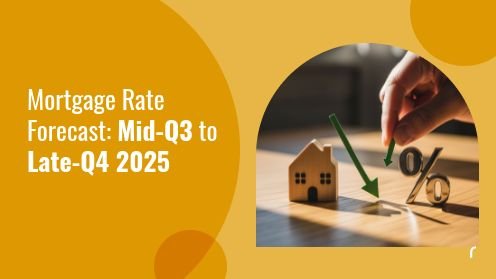
Mortgage Rate Forecast: Mid-Q3 to Late-Q4 2025

Mortgage rates are forecasted to gradually decline from around 6.7% in August to approximately 6.3%-6.5% by December 2025. Leading experts like NAR and Fannie Mae predict rates will stay steady in the mid-6% range with no major drops below 6%. The gradual easing is driven by expected Federal Reserve policy shifts, cooling inflation, and a

Mortgage Rate Forecast: Mid-Q3 to Late-Q4 2025 Read More »

An introduction to responsible investment: screening and exclusions

The guide explains screening in responsible investment, focusing on environmental, social, and governance (ESG) factors. It outlines the importance of screening as a practice that sets investment boundaries and complements other responsible investment approaches. Screening can be based on various criteria, including ethical beliefs and regulatory requirements. Investors should clearly define their objectives, communicate screening

An introduction to responsible investment: screening and exclusions Read More »

Scroll to Top